Professional teeth cleaning removes the bacteria-causing plaque and tartar that create bad breath. When you visit your dentist for a cleaning in Chester or Richmond, the hygienist eliminates bacterial buildup from areas you can't reach at home, targeting the root causes of halitosis rather than just masking odors. At Chester Dental Care, we provide thorough cleanings that freshen your breath and also support long-term gum and tooth health.
Bad breath affects your confidence in social situations and professional settings. The good news is that most cases stem from oral sources you can address with regular dental care. Understanding how teeth cleaning combats halitosis helps you make informed decisions about your oral health and budget for this preventive service.
Key Takeaways
-
Professional cleaning of teeth removes bacteria-harboring plaque and tartar that cause halitosis, targeting the root problem rather than masking odors.
-
Volatile sulfur compounds produced by oral bacteria create bad breath, which accumulates on your tongue, between teeth, and in gum pockets.
-
Routine teeth cleaning appointments every six months prevent bacterial buildup and catch gum disease early when it's easier to treat.
-
Daily brushing, flossing, and tongue scraping between professional cleanings maintain fresh breath by controlling bacterial populations.
-
Persistent bad breath despite good oral hygiene indicates underlying dental or medical issues requiring professional evaluation and treatment.
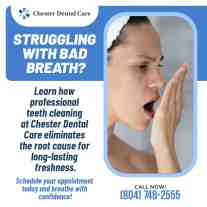
What Causes Bad Breath?
Bad breath originates from bacteria in your mouth that produce volatile sulfur compounds. These microscopic organisms thrive in food particles, plaque deposits, and the coating on your tongue's surface.
Halitosis impacts 25-30% of the world's population, making it a widespread concern. The condition has multiple causes:
Bacterial accumulation on the tongue's surface is the most common source of halitosis. The back of your tongue provides an ideal environment for anaerobic bacteria to multiply. These bacteria break down proteins from food particles and dead cells, releasing sulfur compounds that smell unpleasant.
Plaque buildup on teeth surfaces harbors millions of bacteria. When you don't remove plaque through regular brushing and flossing, it hardens into tartar (also called calculus). This hardened deposit creates rough surfaces where more bacteria can attach and thrive.
Gum disease develops when bacteria infect the tissues supporting your teeth. Infected gum pockets trap food particles and bacterial waste products. The combination of rotting food debris and infection produces particularly strong odors.
Dry mouth reduces saliva flow, which normally helps wash away bacteria and food particles. Without adequate saliva, bacterial populations grow unchecked. Certain medications, breathing through your mouth, and some medical conditions cause dry mouth.
Food choices impact your breath temporarily and long-term. Onions, garlic, and strong spices release odor compounds that enter your bloodstream and exit through your lungs. Sugary and acidic foods feed the bacteria that cause persistent bad breath.
Does Teeth Cleaning Help With Bad Breath?
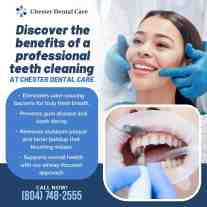
Yes, professional teeth cleaning directly addresses the bacterial sources of halitosis by removing plaque and tartar that your toothbrush can't eliminate. During a cleaning, your dental hygienist uses specialized instruments to scrape away hardened deposits that harbor odor-causing bacteria.
The cleaning process targets multiple bad breath sources simultaneously. Scaling removes tartar from tooth surfaces above and below the gum line. This eliminates the rough surfaces where bacteria colonize. Polishing smooths tooth enamel, making it harder for new plaque to attach.
Your hygienist also cleans areas between teeth where your toothbrush and floss may miss particles. These tight spaces trap food debris that decomposes and creates odors. Professional cleaning reaches into gum pockets where bacteria hide from your home care routine.
The immediate results often surprise patients. Many people notice fresher breath within hours of their cleaning appointment. The removal of bacterial colonies stops the production of volatile sulfur compounds. Your mouth feels cleaner because it actually is cleaner.
For patients with gum disease, deep cleaning procedures called scaling and root planing provide more intensive treatment. This process removes bacteria from below the gum line and smooths root surfaces. Treating gum infections eliminates a major source of chronic halitosis.
How Much Does Teeth Cleaning Cost?
Standard teeth cleaning costs range from $75 to $200 in 2025, with the national average around $100-$104 for routine prophylaxis. Your actual cost depends on your location, the complexity of cleaning needed, and whether you have dental insurance.
Geographic location significantly impacts pricing. Urban areas like Richmond typically charge more than rural communities due to higher operating costs. The dentist's experience level and office technology also influence the final price.
Teeth Cleaning Cost Breakdown
Type of Cleaning |
Cost Range |
When Needed |
Standard Cleaning (Prophylaxis) |
$75 - $200 |
Healthy gums, routine maintenance every 6 months |
Deep Cleaning (Per Quadrant) |
$150 - $350 |
Gum disease present, bacterial pockets below the gum line |
Full Mouth Deep Cleaning |
$600 - $1,400 |
Advanced gum disease affecting multiple areas |
Pediatric Cleaning |
$50 - $150 |
Children under 14, generally simpler procedures |
Additional services may increase your total cost. X-rays typically add $20-$350, depending on the type. Fluoride treatments cost $26-$95. A complete dental exam adds $50-$150 to your visit.
Insurance coverage often makes cleaning more affordable. Most dental plans cover 100% of preventive cleanings twice per year. Deep cleaning for gum disease may receive 50-80% coverage since insurance classifies it as therapeutic treatment rather than preventive care.
The long-term savings make regular cleanings a smart investment. Preventing gum disease, cavities, and tooth loss costs far less than treating these conditions after they develop. A $100 cleaning every six months prevents $1,000+ in restorative work.
How Can You Maintain Fresh Breath Between Cleanings?
Consistent daily oral hygiene practices prevent bacterial buildup and keep your breath fresh between professional cleanings. Your home care routine directly impacts how much plaque accumulates over six months.
Brush your teeth twice daily using fluoride toothpaste and a soft-bristle brush. Spend at least two minutes covering all tooth surfaces, including the backs of your molars and along the gum line. Replace your toothbrush every three months or when the bristles fray.
Floss once daily to remove plaque and food particles from between teeth. String floss, floss picks, or water flossers all work effectively when used correctly. Slide the floss gently between each tooth and curve it around the base, moving it up and down several times.
Clean your tongue every time you brush. Use a tongue scraper or your toothbrush to remove the white coating where bacteria multiply. Start at the back of your tongue and scrape forward, rinsing the scraper between strokes. This single step dramatically improves breath freshness.
Drink water throughout the day to keep your mouth moist and wash away food particles. Saliva production naturally decreases during sleep, which explains morning breath. Drinking water when you wake stimulates saliva flow and rinses away overnight bacterial accumulation.
Choose foods that support oral health. Crunchy vegetables like carrots and celery stimulate saliva and physically scrub tooth surfaces. Apples, oranges, and other fruits provide natural acids that fight bacteria. Avoid excessive sugar and sticky foods that feed harmful bacteria.
Use an antibacterial mouthwash to reduce bacterial populations. Look for alcohol-free formulas containing ingredients like chlorhexidine or cetylpyridinium chloride. Rinse for 30 seconds after brushing to reach areas your toothbrush missed.
Consider sugar-free gum between meals. Chewing stimulates saliva production, which neutralizes acids and washes away bacteria. Gum containing xylitol provides additional antibacterial benefits.
When Should You See a Dentist About Bad Breath?
Persistent halitosis despite good oral hygiene indicates an underlying problem requiring professional evaluation. If your bad breath continues after improving your home care routine, schedule a dental appointment.
Warning signs that require immediate attention include bleeding gums, loose teeth, or persistent bad taste in your mouth. These symptoms often indicate gum disease that needs professional treatment. Early intervention prevents bone loss and tooth loss.
Bad breath accompanied by dry mouth, frequent cavities, or gum recession suggests systemic issues. Your dentist can identify whether the problem stems from your oral cavity or another body system. Some medical conditions, like diabetes, sinus infections, and acid reflux, cause chronic halitosis.
Changes in your breath's character can provide clues about underlying causes. A sweet, fruity odor may indicate uncontrolled diabetes. A fishy smell can signal kidney problems. Your dentist recognizes these patterns and refers you to appropriate medical specialists when necessary.
If you've gone more than six months since your last cleaning, bacteria have had ample time to colonize your mouth. Professional removal of this buildup often resolves halitosis immediately. Regular six-month cleanings prevent bacterial populations from reaching problem levels.
People with certain risk factors need more frequent cleanings. Smokers, diabetics, pregnant women, and those taking medications that cause dry mouth face higher risks for gum disease and bad breath. Your dentist may recommend cleanings every three to four months instead of twice yearly.
The Chester Dental Care Difference
At Chester Dental Care, we take an airway-focused approach that looks beyond your teeth to understand how your oral health affects your overall well-being. Rather than just treating symptoms, we identify the root causes of dental and breathing problems.
We serve patients across Chester, Richmond, Hopewell, Colonial Heights, and the surrounding areas. The team creates personalized treatment plans designed to meet your specific needs and concerns.
Led by Dr. Shwetha Rodrigues, our team brings nearly two decades of dental experience with specialized training in airway and sleep dentistry. As Vivos Clinical Advisors, we understand the deep connections between oral health, breathing patterns, and quality of life that many dentists overlook.
Get Fresh Breath and Better Health
Don't let bad breath keep you from smiling confidently or engaging fully in your daily life. Our professional teeth cleanings provide immediate results while helping prevent serious oral health problems over time.
Regular dental cleanings every six months help control bacterial buildup and catch issues before they become painful or costly. The investment in preventive care pays off through fresh breath, healthy gums, and lower long-term dental expenses.
Call Chester Dental Care at (804) 748-2555 or email frontdesk@chesterdentalcareva.com to schedule your cleaning appointment. We proudly serve families throughout the Greater Richmond area with comfortable, thorough dental care focused on your total health. Take a simple step toward eliminating bad breath and protecting your smile for years to come.
Recent Posts

General Dentistry vs. Airway-Centered Care: Why Chester Dental Care Offers Both
Shwetha Rodrigues | October 7, 2026
Dental Implants vs. Bridges vs. Dentures: Comparing Your Tooth Replacement Options
Shwetha Rodrigues | September 15, 2026
Do I Need a Pediatric Dentist, or Can My Child See My General Dentist?
Shwetha Rodrigues | July 30, 2026Breathe Right.
Sleep Tight.
Smile Bright.
Request Your Appointment