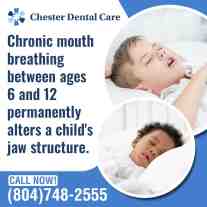
The years between 6 and 12 are when a child's jaw and airway develop most rapidly. As a sleep dentistry clinic , Chester Dental Care focuses on this window because children whose airway develops well during this period are far less likely to face sleep-disordered breathing, behavioral issues, or invasive treatment later in life.
Key Takeaways:
-
Airway problems peak between ages 2 and 8 , when lymphoid tissue growth can outpace airway development.
-
Crowded teeth and a narrow palate are visible signs that a child's airway may be underdeveloped.
-
Obstructive sleep apnea (OSA) affects 1 to 4% of children, while sleep-disordered breathing encompasses a broader range of conditions including snoring and is linked to bedwetting, behavioral issues, and poor focus.
-
Early intervention can guide jaw growth before development is complete, often avoiding surgery.
-
As a sleep dentistry clinic, Chester Dental Care can evaluate airway risk factors during routine dental visits, so potential issues get caught early, not years down the road.
What Is Pediatric Airway Development?
Pediatric airway development refers to the growth of the jaw, palate, and upper airway structures during childhood. These structures determine how much space a child has to breathe through their nose and throat during sleep.
The bones of the face and jaw are highly adaptable during childhood, making it the best window to identify and address problems before they become permanent.
When the upper jaw is too narrow or the lower jaw is underdeveloped, the airway can become restricted. This restriction is a primary driver of sleep-disordered breathing in children.
How Does a Narrow Airway Affect a Child's Sleep?
A narrow or obstructed airway forces a child to work harder to breathe during sleep, disrupting sleep quality even when a child appears to sleep through the night.
Sleep-disordered breathing (SDB) is a group of conditions where normal breathing is interrupted during sleep. According to the American Academy of Otolaryngology, approximately 10% of children snore regularly , and 2 to 4% have obstructive sleep apnea. Snoring in children is not normal, and consistent snoring warrants evaluation.
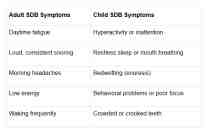
SDB symptoms in children look different from those in adults.
What Signs Should Parents Watch for Between Ages 6 and 12?
The most observable signs of airway problems appear in how a child breathes and how their teeth come in. Most airway-focused dentists recommend an evaluation around age 6 or 7, when adult teeth begin coming in. Mouth breathing or crowded teeth are reasons to evaluate sooner.
Watch for:
-
Mouth breathing during the day or sleep
-
Snoring or noisy breathing at night
-
Teeth that are crowded or coming in crooked
-
A narrow or high-arched palate
-
Bedwetting past typical developmental ages
-
Difficulty focusing or sitting still at school
Each of these signs is something Chester Dental Care screens for as part of our
sleep dentistry services
during routine dental visits.
Can a Dentist Help With Airway Development?
Yes. A sleep dentistry clinic evaluates jaw structure, palate width, and breathing patterns as part of a child's dental care , including airway assessments, oral appliance therapy, and collaborative care with physicians.
At Chester Dental Care, airway evaluation is part of how we care for every patient. We've spent nearly a decade focused on sleep dentistry and work alongside physicians whenever coordinated care makes sense for your health.
Treatments that guide jaw development are most effective while the bones are still growing. That is why ages 6 to 12 are the most productive window for airway-focused care. Options available during childhood may not be available after facial growth is complete.
Talk to a Dentist Who Understands Airway Health
Our team at Chester Dental Care serves patients in Chester, Richmond, Chesterfield, and nearby areas in Virginia. The practice offers sleep dentistry services for children and adults, with a focus on airway health and long-term outcomes.
Medical Disclaimer
The information provided in this blog is for educational purposes only and does not constitute professional medical advice, diagnosis, or treatment. Always seek the advice of your physician or other qualified health provider with any questions you may have regarding a medical condition.
Call us at (804)748-2555 to schedule an airway evaluation for your child. We are also available via email at frontdesk@chesterdentalcareva.com .
Recent Posts

General Dentistry vs. Airway-Centered Care: Why Chester Dental Care Offers Both
Shwetha Rodrigues | October 7, 2026
Dental Implants vs. Bridges vs. Dentures: Comparing Your Tooth Replacement Options
Shwetha Rodrigues | September 15, 2026
Do I Need a Pediatric Dentist, or Can My Child See My General Dentist?
Shwetha Rodrigues | July 30, 2026Breathe Right.
Sleep Tight.
Smile Bright.
Request Your Appointment